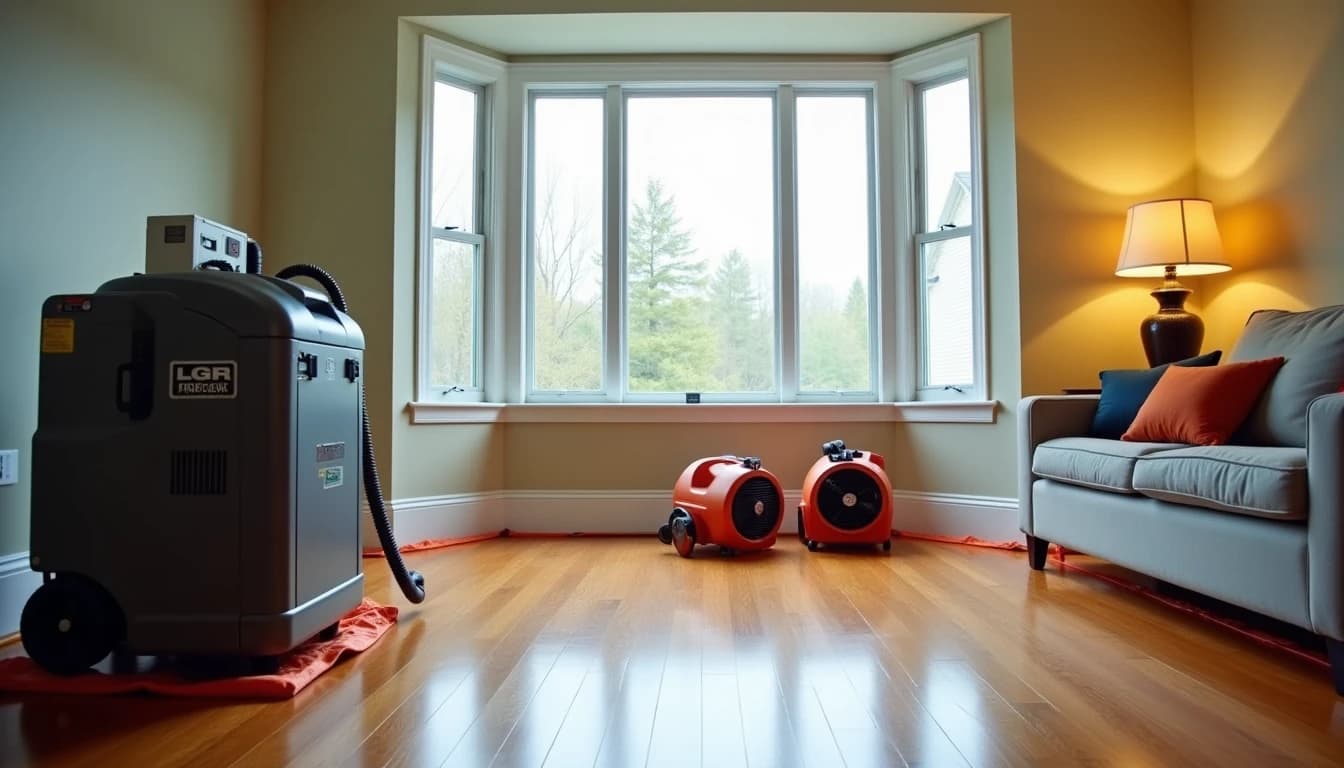
Water Damage in Commercial Buildings — Managing Business Continuity During Restoration
LocalFlow Restoration of New England
Why commercial water damage requires a different approach
Commercial water damage events involve everything residential events do, plus additional layers of complexity: tenant or employee safety obligations, business interruption costs that accrue by the hour, regulatory compliance requirements (OSHA, ADA access during remediation), inventory and equipment losses, IT infrastructure vulnerability, and often multiple stakeholders including building owners, tenants, property managers, and insurers.
The financial stakes are also higher. A commercial property with revenue-generating tenants or operations can accumulate business interruption costs of thousands of dollars per day. This creates pressure to rush the restoration process in ways that can compromise quality — a pattern that ultimately costs more than a methodical, properly scoped restoration.
Immediate priorities in the first two hours
The first two hours after a commercial water damage event are the most critical for limiting business disruption. The sequence of priorities is: life safety first (evacuate and cordon off dangerous areas), followed by stopping the source, followed by data and inventory protection, followed by documentation, followed by professional call.
Data protection is often overlooked in the initial chaos and represents a catastrophic and irreversible loss if missed. If water is near server rooms, electrical closets, or workstations, prioritize power isolation and hardware removal before extraction begins. Even hardware that appears dry may have absorbed moisture and will fail when powered on — get IT equipment moved to dry storage immediately.
- Life safety first: evacuate affected areas; cordon off hazards
- Stop the water source at main shutoff if safe to do so
- Isolate power to affected areas and protect IT hardware immediately
- Document with photos and video before any cleanup or relocation begins
- Call restoration company + insurer + property management simultaneously
Phased restoration for continued operations
The key advantage in commercial restoration is the ability to phase the work. Unlike a residence where the entire living space may be affected, commercial properties can often be divided into zones: actively affected areas receiving remediation, adjacent areas cleared for operations, and unaffected areas continuing normally.
Work with your restoration company to develop a phased restoration plan that sequences work through zones rather than treating the entire building simultaneously. This approach minimizes business disruption and maintains revenue while restoration proceeds. Containment walls with transparent panels can maintain visual oversight of remediation areas while preventing contamination migration.
Coordinate the restoration schedule with your operations team to identify which spaces are most critical and least tolerant of disruption. Server rooms, production areas, and customer-facing spaces should receive priority access restoration. Storage rooms, unused conference rooms, and non-essential spaces can accommodate longer remediation timelines.
Documentation for commercial insurance claims
Commercial property insurance claims are more complex than residential claims because they include both property damage (the physical restoration) and business interruption (lost revenue and extra expense). Business interruption coverage typically kicks in after a waiting period (often 72 hours) and reimburses lost revenue and extra expenses incurred to maintain operations during the restoration period.
Document the business impact rigorously from day one: employee hours lost or redirected, customer appointments cancelled or rescheduled, revenue impact by day, extra expenses for temporary facilities or equipment rental. This documentation — as contemporaneous as possible — is your evidence for the business interruption claim component, which is often worth more than the property damage claim in commercial events.
Communications, compliance, and indoor air quality optics
Retail and healthcare tenants must thread needle between transparency and panic: scripted updates that cite certified monitoring (particle counts, moisture logs) reassure guests without overpromising timelines. Post negative-pressure notices at entries where HEPA scrubbers exhaust so OSHA walkthroughs see engineered controls rather than ad-hoc plastic.
Accessibility paths cannot shrink below code minimums when drying hoses cross corridors — coordinate with facilities to reroute foot traffic with compliant ramps instead of asking security to tape off half a hallway overnight.
Inventory, salvage, and third-party logistics
Wet stock on pallet racking should be triaged by SKU velocity: fast movers move to climate-controlled trailers first while slow movers await ultrasonic cleaning decisions. Photograph each pallet face so adjusters can reconcile partial losses without full warehouse counts.
When forklifts cannot operate on saturated slabs, manual pallet jacks on plywood runways prevent rutting that later triggers trip claims during rebuild.
Frequently asked questions
Does commercial property insurance automatically include business interruption?
No — business interruption is a separate coverage that must be purchased and attached to the commercial property policy. The coverage limit and waiting period are specified in your policy declarations. Many businesses discover they have inadequate BI limits only at claim time. Review your BI coverage with your broker annually and ensure limits reflect your actual gross revenue.
How do we handle tenant notification obligations during commercial remediation?
Landlords typically have notice obligations to tenants regarding conditions affecting habitability or safety, and tenants may have rights to rent abatement during periods when space is rendered unusable by a covered event. Consult your lease agreements and your attorney before making tenant communications — what you say and when you say it has legal and insurance implications.
Can commercial restoration happen after business hours to minimize disruption?
Yes, in many cases. Water damage restoration equipment can run continuously and unattended, which means the noisiest extraction and equipment placement work can occur after hours. However, daily monitoring visits must occur during accessible hours. Discuss your operational schedule with the restoration company upfront — most experienced commercial restoration teams can accommodate a phased or after-hours schedule.
Who signs daily drying logs when multiple tenants share a floor?
Designate a single facilities authority per shift so psychrometric readings chain to one accountable signature. Cloud dashboards with read-only tenant access reduce duplicate walkthrough requests.