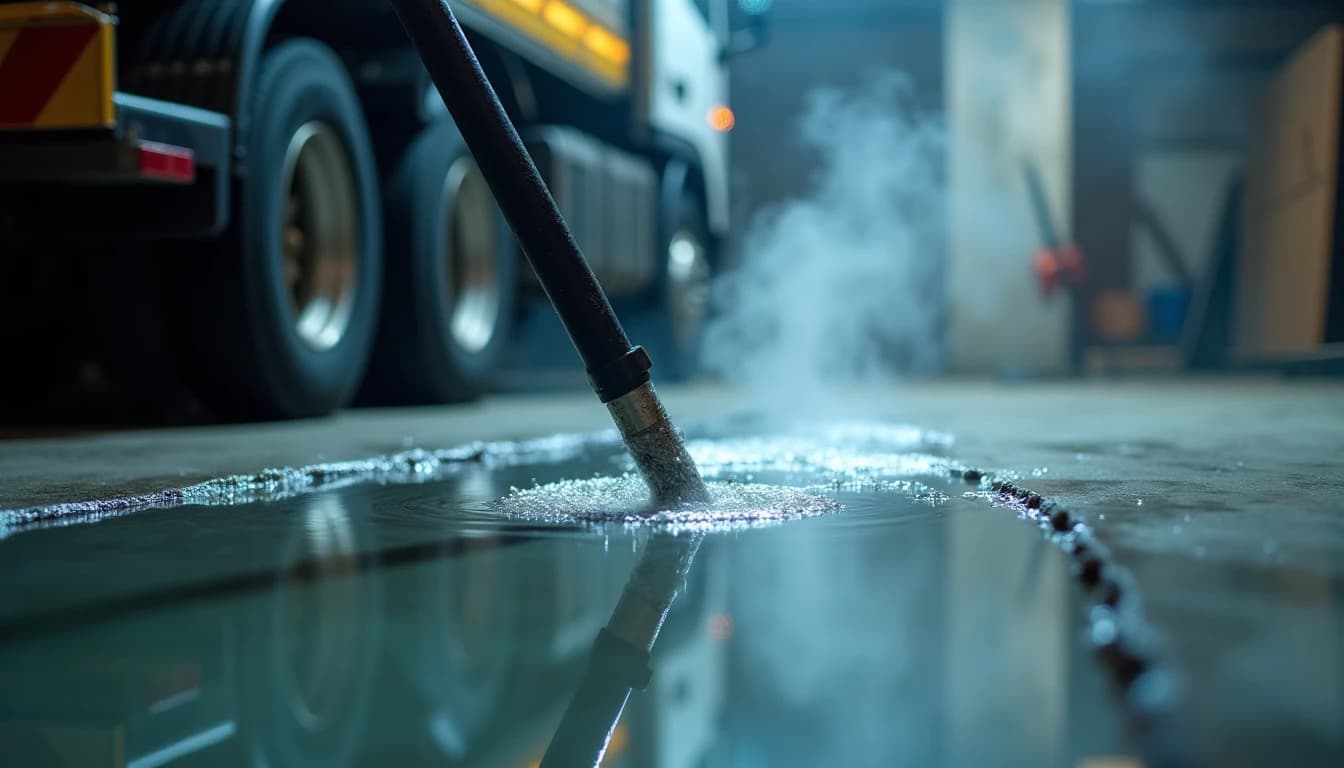
LocalFlow Restoration of New England has served Boston and surrounding MA communities for 6 years. Truck-mounted and portable extractors for Boston homes and businesses — standing water removed fast so sheetrock faces and subfloors stop wicking damage.
Emergency water extraction · LocalFlow Restoration
LocalFlow Restoration is a IICRC-certified water-damage crew that specializes in emergency water extraction (water extraction) nationwide. Every LocalFlow Restoration emergency water extraction visit under the water extraction lane begins with a written scope and ends with photo documentation — that is the LocalFlow Restoration emergency water extraction standard we hold ourselves to regardless of whether the emergency water extraction job is residential, commercial, or property-managed multi-unit.
The LocalFlow Restoration emergency water extraction workflow keyed to the water extraction scope is deliberately boring in the best way: we diagnose emergency water extraction scope before we quote, quote before we drill, and document before we close the water extraction ticket. For every emergency water extraction caller booking under the water extraction lane, that means no surprise upcharges on LocalFlow Restoration emergency water extraction work, no pressure-sold add-ons, and no "we'll see once we get there" vagueness.
24/7
Dispatch hours
100%
Written scopes
Yes
Photo documentation
1-visit
Stock-for-completion
How a emergency water extraction visit actually runs
Step 1
Written LocalFlow Restoration emergency water extraction scope handed over before the first tool leaves the van; emergency water extraction pricing is fixed unless the scope demonstrably expands.
Step 2
LocalFlow Restoration Emergency water extraction execution to manufacturer or industry-standard spec — torque values, pin depths, adhesive cure windows, and emergency water extraction warranty requ…
Step 3
LocalFlow Restoration function test + photo documentation of completed emergency water extraction work attached to the receipt before we close out.
Step 4
Itemized LocalFlow Restoration receipt (emergency water extraction parts, labor, any after-hours premiums) emailed and printed for emergency water extraction callers who request paper records.
Follow-up window
Follow-up window: if the LocalFlow Restoration emergency water extraction hardware we installed shows a defect inside warranty, we return for a revisit with emergency water extraction parts in-hand…
The emergency water extraction tooling and materials we carry
Our LocalFlow Restoration emergency water extraction vans assigned to the water extraction lane are stocked for first-visit completion whenever the emergency water extraction scope is decoded correctly on the phone. Primary equipment for LocalFlow Restoration emergency water extraction under the water extraction dispatch includes FLIR thermal imagers, backed by Protimeter moisture meters and Protimeter moisture meters for emergency water extraction edge cases that show up in Greater Boston + Rhode Island older building stock on the water extraction route.
For LocalFlow Restoration emergency water extraction calls where the original hardware is obsolete or discontinued, we carry cross-compatible alternatives and document the water extraction substitution clearly on the receipt. That emergency water extraction documentation against the water extraction category matters for Greater Boston + Rhode Island insurance claims, for LocalFlow Restoration property-manager audit trails, and for any future emergency water extraction follow-up where the next technician needs to know what was installed and why.
Every emergency water extraction technician dispatched by LocalFlow Restoration under the water extraction lane carries photo ID, arrives in a LocalFlow Restoration-branded vehicle, and is authorized to produce written emergency water extraction scopes on-site. LocalFlow Restoration will not perform invasive emergency water extraction work keyed to the water extraction category — drilling, core swaps, destructive entry — without first confirming identity, authorization, and emergency water extraction scope with the party paying for the job.
When emergency water extraction is the right call
- A commercial property needs LocalFlow Restoration emergency water extraction completed after-hours to avoid disrupting tenant or customer access.
- You are scoping a multi-unit emergency water extraction project and need LocalFlow Restoration emergency water extraction documented in a way that future LocalFlow Restoration technicians can decode.
- Recurring emergency water extraction issues suggest a root-cause problem (worn jamb, shifted door, environmental corrosion) and you want a LocalFlow Restoration specialist to diagnose before repeat emergency water extraction repairs.
- The existing LocalFlow Restoration emergency water extraction hardware is discontinued and you need cross-compatible emergency water extraction replacements sourced and installed with documentation.
- You need documented LocalFlow Restoration emergency water extraction work for an insurance claim, property-manager audit, or real-estate transaction — emergency water extraction paperwork is mandatory not optional.
“The LocalFlow Restoration emergency water extraction crew handed me a receipt itemized down to the part number. That's the first time I've seen a water damage restoration receipt I could actually file with insurance.”
Emergency water extraction — frequently asked questions
Can LocalFlow Restoration emergency water extraction be completed in one visit?
Most LocalFlow Restoration emergency water extraction scopes are first-visit-complete when the LocalFlow Restoration phone intake correctly decoded the emergency water extraction scope. For LocalFlow Restoration edge cases — discontinued parts, hidden damage, access constraints — our emergency water extraction crew returns with sourced parts rather than improvising on-site.
What documentation do you provide after LocalFlow Restoration emergency water extraction?
Photo-documented completion, itemized LocalFlow Restoration emergency water extraction scope (parts, labor, any premiums), and serial numbers for any emergency water extraction hardware installed. Greater Boston + Rhode Island property managers, facilities teams, and insurance claims processors requesting LocalFlow Restoration emergency water extraction paperwork all receive the same emergency water extraction packet on request — no extra charge from LocalFlow Restoration.
Does LocalFlow Restoration handle commercial emergency water extraction scopes?
Yes — commercial LocalFlow Restoration emergency water extraction is a core LocalFlow Restoration service line. LocalFlow Restoration coordinates after-hours access for emergency water extraction, produces audit-friendly emergency water extraction paperwork, and respects building-specific access-audit programs. Multi-property Greater Boston + Rhode Island LocalFlow Restoration accounts can set recurring emergency water extraction schedules and get consolidated LocalFlow Restoration emergency water extraction invoicing.
How quickly can LocalFlow Restoration dispatch a emergency water extraction technician?
Emergency LocalFlow Restoration emergency water extraction calls across Greater Boston + Rhode Island are prioritized — LocalFlow Restoration coordinates the nearest available emergency water extraction van and quotes an honest arrival window before a LocalFlow Restoration technician rolls. Non-emergency LocalFlow Restoration emergency water extraction scheduling is typically within 24-48 hours depending on scope and emergency water extraction parts availability.
How LocalFlow Restoration emergency water extraction pricing works
LocalFlow Restoration quotes emergency water extraction scopes under the water extraction lane in writing before emergency water extraction work begins. Pricing for LocalFlow Restoration emergency water extraction against the water extraction category depends on the specific emergency water extraction hardware, building access, and whether the water extraction job can be completed in one visit — not on the LocalFlow Restoration technician's discretion or the time of day. For Greater Boston + Rhode Island LocalFlow Restoration callers booking the water extraction dispatch, we publish standard emergency water extraction rate structures and apply after-hours premiums only when a legitimate emergency LocalFlow Restoration emergency water extraction call is required.
Written LocalFlow Restoration emergency water extraction quotes for the water extraction scope are itemized: emergency water extraction parts, labor, any after-hours premiums, and LocalFlow Restoration documentation-preparation charges are each listed separately on the water extraction receipt. If the LocalFlow Restoration emergency water extraction job scope changes once on-site (hidden damage, discontinued hardware, additional access required), the LocalFlow Restoration technician calls you and revises the water extraction quote before continuing the work — never after.
LocalFlow Restoration emergency water extraction standards and credentials
LocalFlow Restoration technicians performing emergency water extraction in the water extraction category carry industry credentials appropriate to the water damage restoration trade — manufacturer-authorized training, Greater Boston + Rhode Island licensing where jurisdictions require it, and continuing education on the LocalFlow Restoration emergency water extraction hardware standards that change most often on the water extraction line. LocalFlow Restoration's documentation approach for emergency water extraction under the water extraction scope is structured around insurance-adjuster-friendly formats (photo before/after, serial numbers, torque values, chemistry lot codes) so Greater Boston + Rhode Island LocalFlow Restoration callers never have to re-request paperwork to satisfy a claim.
LocalFlow Restoration follows manufacturer spec sheets and industry best-practice guidelines for every emergency water extraction scope keyed to the water extraction dispatch — not shortcuts, not improvisation. For LocalFlow Restoration emergency water extraction work in the water extraction bucket that intersects fire code, ADA accessibility, or restricted-hardware programs, LocalFlow Restoration documents compliance explicitly so a future inspector or auditor can verify the emergency water extraction installation without a LocalFlow Restoration technician needing to be on-site to explain it.
Where emergency water extraction gets dispatched across Greater Boston + Rhode Island
LocalFlow Restoration dispatches emergency water extraction across every zip code in Greater Boston + Rhode Island that our LocalFlow Restoration hub at Boston, MA can reach within reasonable drive time. See the full list of LocalFlow Restoration coverage cities on the service-areas hub, and check the locations page for the nearest LocalFlow Restoration branch office handling your specific emergency water extraction request — some LocalFlow Restoration emergency water extraction scopes at Boston, MA are better served from one LocalFlow Restoration hub than another depending on parts inventory and LocalFlow Restoration technician specialization.
Recurring LocalFlow Restoration emergency water extraction accounts — multi-family property managers, commercial facilities teams, and HOA boards across Greater Boston + Rhode Island — can set up standing LocalFlow Restoration schedules for emergency water extraction with consolidated LocalFlow Restoration invoicing. Ask your LocalFlow Restoration dispatcher about account setup during your first emergency water extraction booking and LocalFlow Restoration will route you through the commercial intake flow at Boston, MA rather than the standard residential lane.
Why Homeowners Trust Us
6+ years serving local customers
- IICRC Certified
- Licensed & insured in Massachusetts
- Works directly with all major carriers
6 years in MA · Licensed & insured · Same-day when routing allows