Contents Pack-Out During Water Damage — What Happens to Your Belongings
LocalFlow Restoration of New England
Why contents sometimes need to leave the home
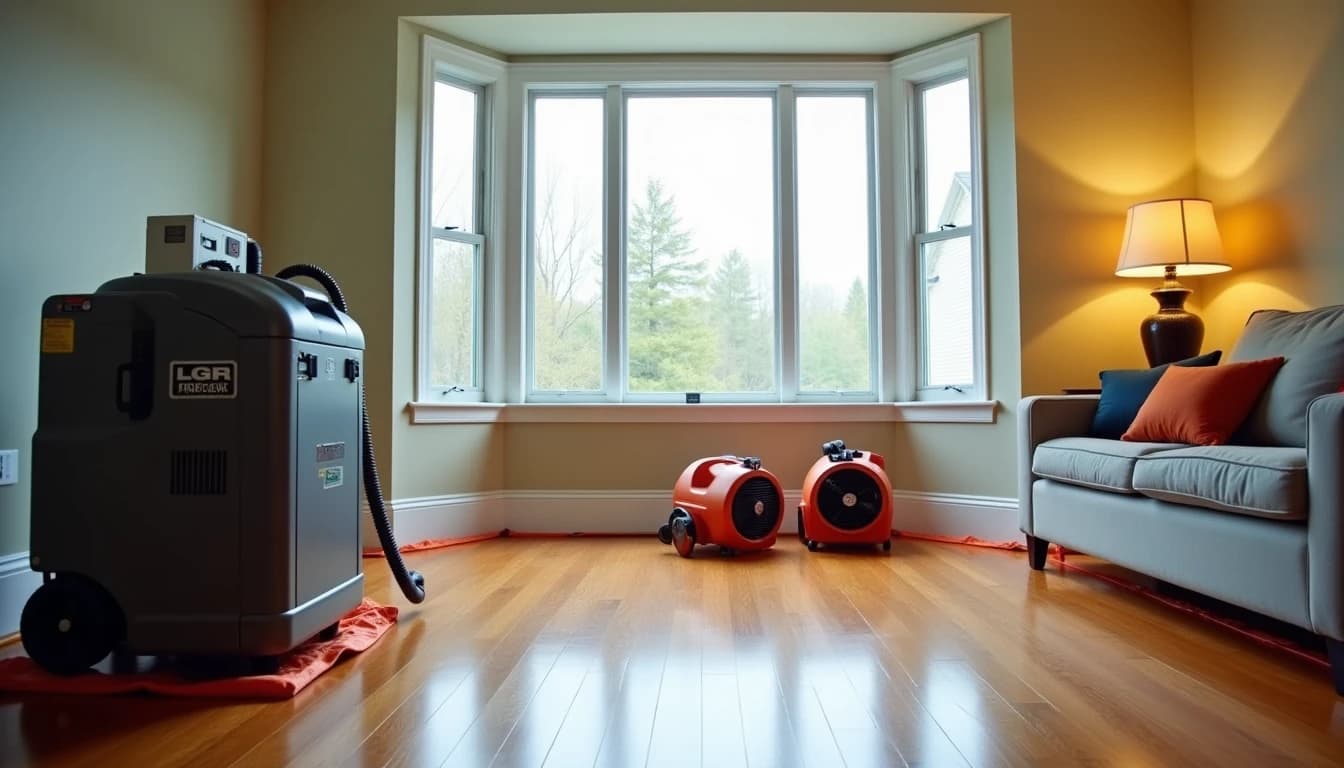
In severe water damage events — extensive flooding, sewage backup, or events requiring significant structural drying with many air movers and dehumidifiers running — keeping furniture, electronics, clothing, and other contents in the home creates problems. The drying equipment needs unobstructed airflow to structural surfaces. Porous contents absorb and re-release moisture, slowing structural drying. And valuable or fragile items are at risk of secondary damage during the active restoration process.
A contents pack-out — professional removal, cataloging, cleaning/restoration, and storage of your belongings at a climate-controlled facility — solves all of these problems. The process sounds disruptive, but it actually protects your belongings more effectively than leaving them in a water-damaged environment and allows the structural restoration to proceed faster.
The pack-out process step by step
Before a single item is removed, the pack-out team conducts a detailed inventory. Every item is photographed, described, and assigned an inventory number. Furniture is tagged; boxes are labeled and listed. This inventory serves as the baseline for insurance purposes and ensures every item is accounted for when contents are returned.
Items are carefully wrapped and packaged for transport. Electronics, artwork, antiques, and fragile items receive specialized packaging. Furniture is wrapped in moving blankets and furniture pads. Clothing, soft goods, and bedding are packaged in clean moving boxes or bins. The packed items are transported to the restoration company's climate-controlled warehouse.
- Pre-pack photographic inventory — every item documented before removal
- Specialty packaging for electronics, art, antiques, and fragile items
- Standard packaging for furniture, clothing, and household goods
- Transport to climate-controlled storage facility
- In-facility cleaning, drying, and restoration of salvageable items
- Return delivery once the home is ready for contents restoration
What happens to your items at the facility
At the contents restoration facility, items are assessed for damage and divided into three categories: undamaged items that need only storage, items that can be cleaned and restored, and items that must be documented as total losses for the insurance claim.
Salvageable soft goods (clothing, linens, drapes) go through ozone or commercial laundering treatment to address odor and contamination. Furniture with surface water damage may be dried, cleaned, and refinished. Electronics require evaluation by electronics restoration specialists — simply drying electronics is not sufficient; internal corrosion and shorting must be assessed and treated.
Contents that cannot be salvaged are documented with photographs, descriptions, and replacement cost estimates. This documentation package is submitted to the insurer as part of the contents claim. The insurer pays replacement cost (or actual cash value, depending on your policy) for documented total losses.
Insurance coverage for contents
Standard homeowners policies include contents coverage — typically 50-70% of the dwelling coverage limit. This covers personal property damaged in covered events. If your dwelling is insured for $400,000, contents coverage is likely $200,000-$280,000 — a significant amount that covers most residential contents losses.
As with structural coverage, contents policies can be either ACV (actual cash value, with depreciation) or RCV (replacement cost value). ACV coverage is common in standard policies and will depreciate items based on age and condition. RCV coverage pays full replacement cost for like-kind items. The difference can be substantial for electronics, furniture, and appliances.
Contents pack-out and restoration costs (the professional service of removing, cleaning, storing, and returning your items) are typically covered under the contents claim. Ask your insurer to confirm this explicitly when you open the claim — some policies treat pack-out as a separate line item.
Chain of custody, security, and specialty riders
High-value jewelry, firearms, and collectibles may require appraisals on file before carriers accept warehouse valuations — scan those riders into the job folder day one. Vault rooms inside restoration warehouses segregate small high-value bins with dual-credential access logs so adjusters see defensible custody.
Controlled substances and refrigerated meds need pharmacist-guided disposal charts; never toss them in open dumpsters where environmental fines rebound to the property owner.
Climate targets for textiles, wood, and electronics
Warehouse RH is typically held near 45% with HEPA-scrubbed air so hygroscopic wood furniture does not check while paper files dry flat in racks. Electronics bays run slightly warmer to discourage condensation when cold boards exit trucks.
Photograph cable routing before disconnecting entertainment stacks so installers can replicate HDMICEC paths without costly troubleshooting on return day.
Frequently asked questions
How long will my belongings be in storage?
Contents typically remain in storage for the duration of the structural restoration and reconstruction — usually two to eight weeks for residential events. The restoration company coordinates return delivery once the home is structurally complete and ready for occupancy. If you need specific items earlier (medications, important documents, clothing), request them individually during the pack-out.
Can I do my own pack-out to save money?
You can move undamaged items out yourself before the restoration team arrives, which speeds up their work and protects your belongings. However, the professional pack-out service includes the inventory documentation that supports your insurance claim, and the cleaning/restoration service for water-damaged items. Removing items yourself before they are inventoried may complicate the contents claim.
What happens to items that cannot be saved?
Total loss items are documented and disposed of by the restoration company as part of the remediation process. You receive documentation (photos, descriptions, replacement cost estimates) for your insurance claim. Do not dispose of damaged items yourself before the insurance adjuster or restoration company documents them — undocumented losses cannot be claimed.
Will pack-out crews disconnect smart-home hubs and label cables?
Reputable vendors photo each rack before unplugging and bag screws with QR labels tied to inventory lines so rebuild crews mirror topology without guessing VLAN assignments.