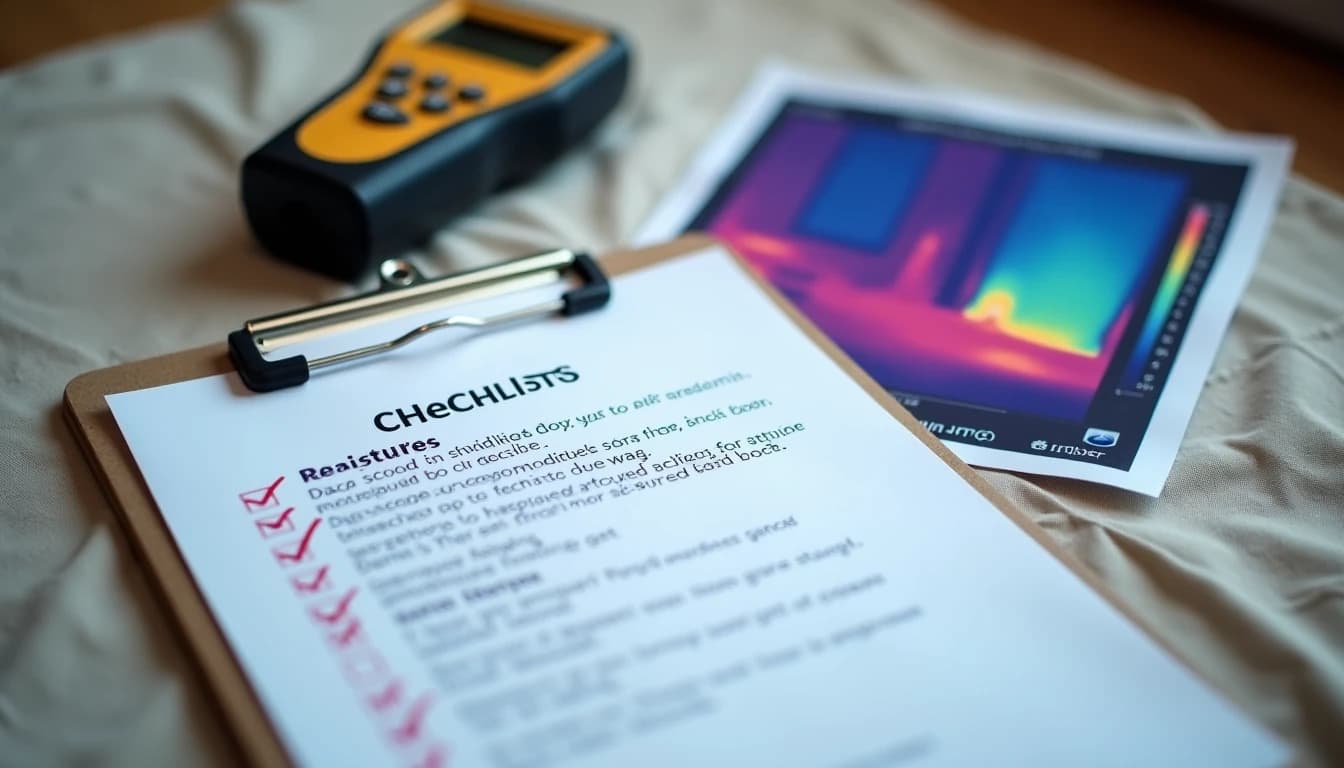
How to File a Water Damage Insurance Claim — A Step-by-Step Guide
LocalFlow Restoration of New England
Why the first hours of your claim determine the outcome
Insurance companies process thousands of water damage claims annually, and experienced adjusters know immediately whether a claimant documented the event properly. Claims with comprehensive, timestamped photo and video evidence, consistent written accounts, and prompt reporting are approved faster and at higher settlement amounts than claims with gaps in documentation.
This guide walks through the claims process from the first phone call to final settlement, with specific attention to the decisions that determine coverage outcomes. Many homeowners leave money on the table not because their damage is uncovered, but because they did not know how to present it correctly.
Step 1 — Document before you touch anything
Before moving furniture, pulling carpet, or beginning any cleanup, document every inch of the affected area with photos and video. Use the timestamp function on your camera. Capture wide shots for context, mid-range shots showing affected materials, and close-ups of specific damage. Photograph the source — the burst pipe fitting, the failed supply line, the overflowing appliance — from multiple angles.
Create a written log immediately noting the date and time you discovered the damage, the source, and any steps you took in response. This log, combined with your visual documentation, creates the foundational evidence package for your claim.
- Photograph before touching or moving anything — this is your baseline evidence
- Timestamp all photos using camera function or write date on a card in frame
- Capture source, affected rooms, water levels against walls, damaged contents
- Create a written log: discovery time, source description, immediate actions taken
Step 2 — Report to your insurer within 24 hours
Most property insurance policies require prompt notification of a covered loss. While the policy may not specify a hard 24-hour deadline, adjusters note delayed reporting, and significant delays can become grounds for claim denial. Call your insurer's claims line as soon as the immediate emergency is stabilized — report before the restoration team arrives if possible.
When you call, have your policy number ready. Describe the event factually and briefly: the date and time, the cause, the areas affected, whether you have called a restoration company. Request a claim number and the adjuster's contact information. Ask specifically whether your policy includes ALE (Additional Living Expense) coverage if the damage makes the home uninhabitable.
Do not estimate dollar amounts on the first call. Let the restoration company and adjuster assess the scope. Homeowners who speculate about costs on the first call often inadvertently anchor the adjuster to a lower figure than the actual loss.
- Report within 24 hours — document the date and time of your call
- Have policy number ready; ask for claim number on the first call
- Request adjuster name and direct contact information
- Ask about ALE coverage if you need to vacate during remediation
- Do not estimate costs — let professionals assess scope
Step 3 — Understand what your policy covers
Standard homeowners policies cover sudden and accidental water damage — a burst pipe, a failed supply line, an appliance malfunction. They do not cover gradual leaks, maintenance failures, or flooding from exterior rising water (which requires separate flood insurance through the NFIP or a private flood carrier).
Sewer backup and drain backup coverage is typically not included in standard policies — it is available as an endorsement for an additional premium. If your damage resulted from a sewage backup and you do not have this endorsement, you may be facing out-of-pocket costs. Review your declarations page before assuming coverage.
The policy's valuation method matters significantly. Actual Cash Value (ACV) policies pay replacement cost minus depreciation — a 15-year-old carpet gets a depreciated payout. Replacement Cost Value (RCV) policies pay full current replacement cost without depreciation deduction. This distinction can mean thousands of dollars in larger claims.
Step 4 — Work with your restoration company on documentation
Reputable restoration companies work with insurance adjusters daily. They produce scope of loss documents, moisture reading logs, drying reports, and itemized line-item invoices using Xactimate — the industry-standard estimating software that adjusters use. A restoration company experienced with insurance claims will ensure the documentation meets the insurer's requirements.
Ask your restoration company specifically: Do you work with our insurance company directly? Can you provide an Xactimate estimate? Will you attend the adjuster inspection? Companies that answer yes to these questions will significantly reduce your administrative burden through the claim process.
Frequently asked questions
Will filing a water damage claim raise my insurance rates?
A single water damage claim typically results in a modest rate increase at renewal — often 5-15% depending on your insurer and state. Repeated claims have a more significant impact. For small losses close to your deductible, it may be worth paying out of pocket to preserve your claims history. Your insurance agent can give you a more specific picture for your situation.
Can I choose my own restoration company?
Yes. Insurers may recommend preferred vendors, but you have the right to select any licensed, qualified restoration company. The insurer is obligated to pay fair market cost for remediation regardless of which company you choose, provided the scope is documented. Preferred vendors work efficiently with the insurer but are not your only option.
What if my claim is denied?
Request the denial in writing with the specific policy language cited as the basis. Review that language carefully — denials are sometimes based on mischaracterization of the loss. You can file a formal appeal with the insurer, hire a public adjuster to advocate on your behalf, or consult an insurance attorney. Most states also have a Department of Insurance where you can file a complaint if you believe a denial is improper.