Sewage Backup Cleanup — What Is Safe to Do Yourself and What Is Not
LocalFlow Restoration of New England
Why sewage backup is categorically different from other water damage
Sewage water — classified as Category 3 in the IICRC S500 standard — is grossly contaminated with pathogenic bacteria, viruses, protozoa, and parasites. Unlike Category 1 (clean water) or Category 2 (gray water) events, there is no scenario where Category 3 water damage is safe for unprotected DIY remediation in living spaces. The pathogens present in raw sewage include E. coli, Salmonella, Cryptosporidium, Hepatitis A virus, and others capable of causing serious illness through skin contact, inhalation, or ingestion.
This guide is explicit about the boundary: there are specific preparatory and protective actions homeowners can safely take before professionals arrive, and there are clear actions that cross into genuine health risk territory. Knowing the boundary protects your health and your insurance claim.
What you can safely do before professionals arrive
Before the restoration team arrives, there are preparation steps that do not require contact with the sewage-contaminated area. These steps are safe and expedite the remediation process. First, identify and shut off the source if possible — if the backup originated from a plumbing fixture, close the supply valve or do not use any plumbing until the blockage is addressed.
Second, vacate the affected area and restrict access — particularly for children, elderly individuals, pregnant individuals, and anyone with immune compromise. These populations face disproportionate risk from pathogen exposure. Third, document the affected area from a safe distance using your phone's zoom function. You do not need to enter the space to photograph it.
Fourth, call the restoration company and your insurer. Fifth, if the backup originated from the municipal sewer, call your municipality's public works emergency line — they may be responsible for the source if the main line is blocked.
- Shut off source plumbing at supply valve; do not use any plumbing until cleared
- Vacate and restrict access — especially for vulnerable household members
- Document from a safe distance with phone zoom; do not enter the space
- Call restoration company + insurer + municipality if municipal line is source
- Open exterior windows and doors if possible from the outside to ventilate
What you must NOT do — these create health and claim risks
Do not enter the sewage-affected area without full PPE: Tyvek suit, rubber gloves, rubber boots, and P100 respirator at minimum. Skin contact with sewage water is a documented route for pathogen transmission. Eye protection is also required — sewage aerosols created by foot traffic, fans, or movement are a documented exposure route.
Do not use household fans or HVAC systems to 'air out' the space. Doing so aerosolizes sewage pathogens throughout the home, contaminating areas that were previously clean and creating air quality problems in living spaces. Shut the HVAC system off at the thermostat before professionals arrive.
Do not attempt to clean or save porous materials that were contacted by sewage water. Carpets, carpet pad, drywall, insulation, and upholstered furniture that were contacted by Category 3 water must be removed and disposed of as contaminated waste — they cannot be reliably decontaminated in place. Attempting to clean them yourself will not make them safe and may result in insurance complications if the eventual remediation scope conflicts with your cleanup attempts.
- Do not enter the area without Tyvek suit, rubber gloves, boots, P100 respirator
- Do not run fans or HVAC — these aerosolize pathogens throughout the home
- Do not attempt to clean porous materials — they must be removed
- Do not use the plumbing until the blockage source is identified and cleared
What the professional remediation process looks like
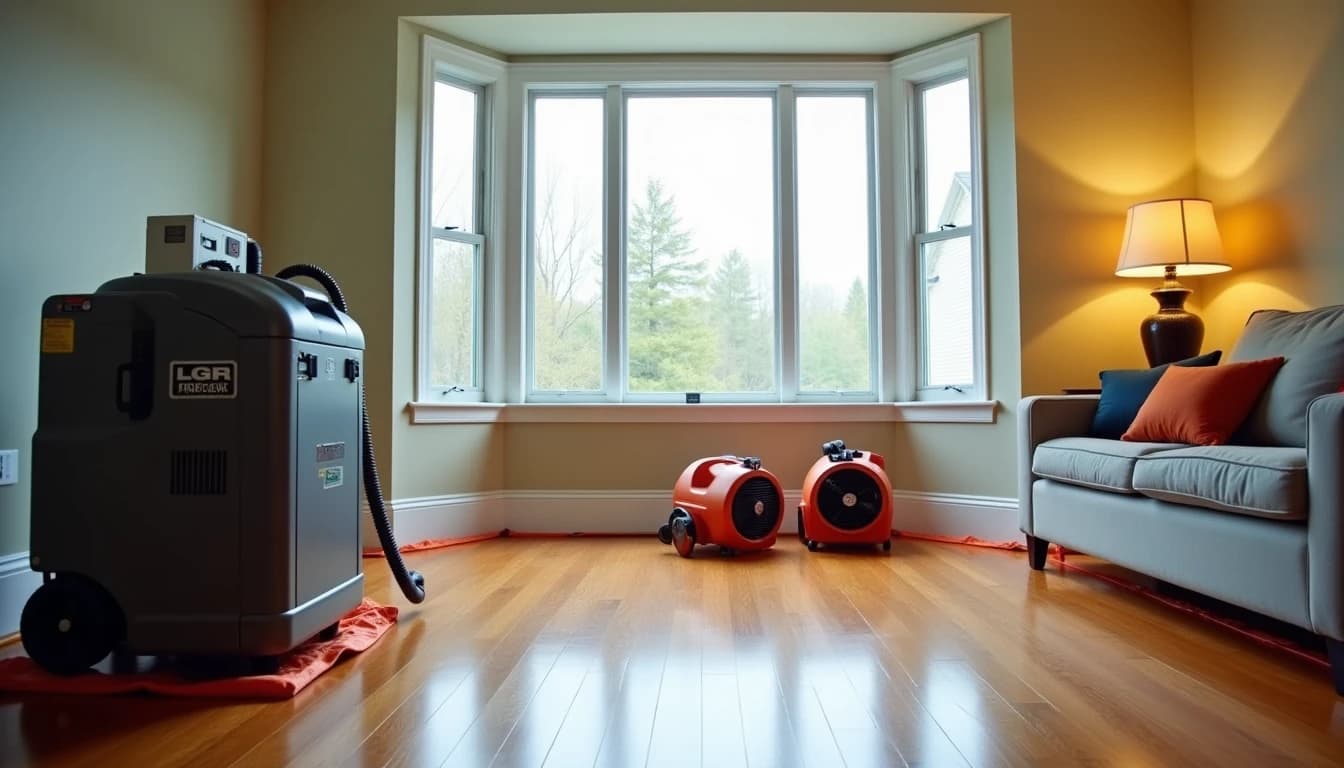
A certified restoration company will arrive in full PPE and establish containment — plastic sheeting barriers and negative air pressure using HEPA-filtered air scrubbers — to prevent cross-contamination of unaffected areas. They will extract standing sewage water using truck-mounted equipment, remove all porous materials in contact with the water (drywall, flooring, insulation), apply EPA-registered antimicrobials to structural surfaces, and run HEPA-filtered air scrubbers throughout the remediation.
After physical remediation is complete, post-remediation clearance testing — air sampling or surface swabs analyzed by an independent industrial hygienist — confirms that pathogen levels have been reduced to acceptable levels before reconstruction begins. Do not skip the clearance test. It provides legal and insurance documentation that the space was properly remediated, and it protects your family's health.
Frequently asked questions
Does homeowner's insurance cover sewage backup cleanup?
Only if you have sewage backup coverage, which is typically a separate endorsement on standard homeowners policies. Without this endorsement, sewage backup remediation is typically not covered. Check your policy declarations page for 'sewer backup' or 'water backup' coverage. If you do not have it, add it — it is relatively inexpensive for the protection it provides.
How long does sewage backup remediation take?
A straightforward residential sewage backup typically takes three to five days for remediation — one to two days for extraction and material removal, one to two days for antimicrobial treatment, and one to two days for drying and post-remediation verification. Reconstruction of removed materials follows, typically taking several additional days to weeks.
Is my home safe to occupy during sewage cleanup?
It depends on the extent and location of the backup. If the affected area can be fully contained with negative air pressure containment, other areas of the home may be safely occupied. If the sewage event was extensive or involved the HVAC system, temporary relocation is recommended until remediation and clearance testing are complete. Your restoration company can advise based on the specific situation.