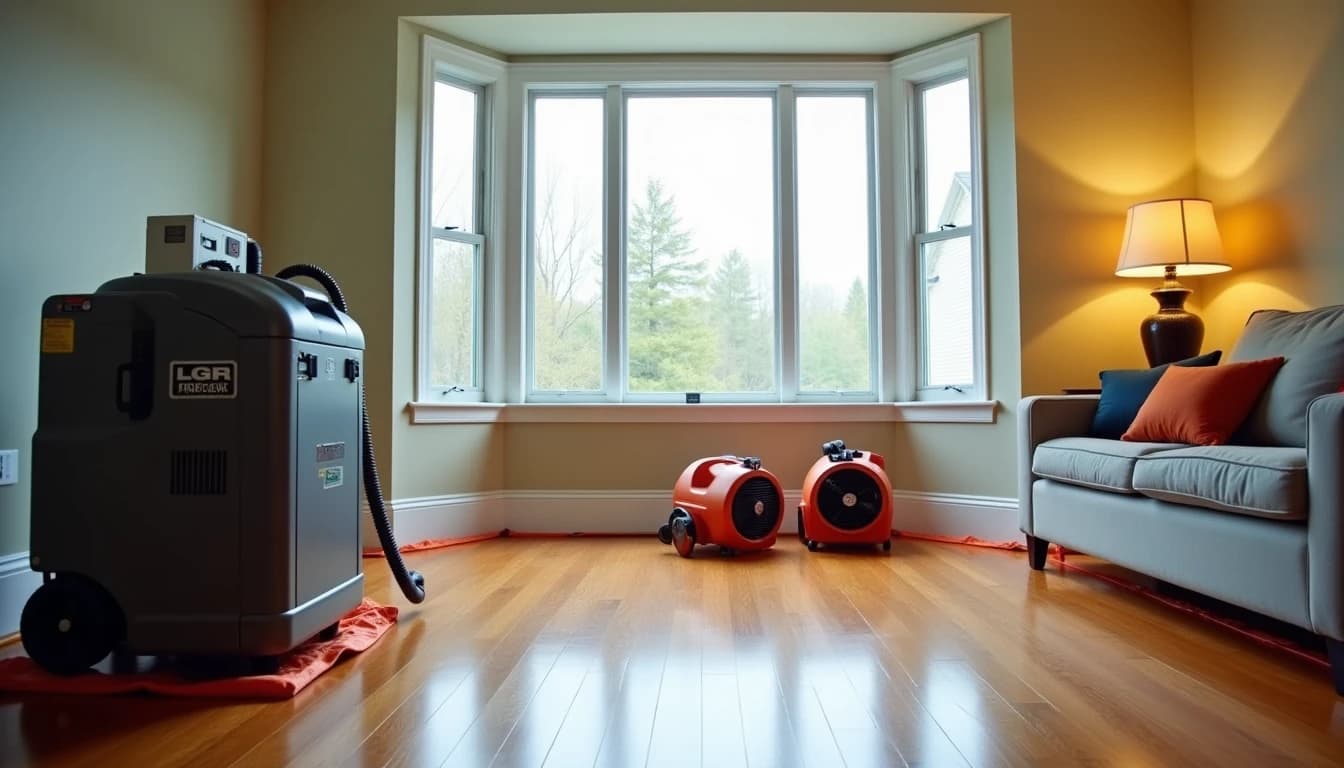
Water Damage Reconstruction — What Happens After Remediation Is Complete
LocalFlow Restoration of New England
The two-phase structure of water damage restoration
Water damage restoration has two distinct phases that many homeowners conflate. Remediation — the first phase — focuses on stopping damage: removing water, drying the structure, removing contaminated or unsalvageable materials, and antimicrobial treatment. When remediation is complete, the space looks stripped and unfinished: bare concrete floor where carpet once was, exposed studs where drywall was removed, empty wall cavities where insulation was pulled.
Reconstruction — the second phase — rebuilds the space to its pre-loss or better condition. This includes installing new insulation, hanging and finishing drywall, painting, installing new flooring, replacing trim and millwork, and reinstalling fixtures. The reconstruction phase typically takes longer than remediation and involves different contractors or departments within a restoration company.
Reconstruction timeline expectations
The timeline for reconstruction varies significantly based on the scope of material removal during remediation. A straightforward event requiring only carpet replacement and a few sheets of drywall may be complete in one to two weeks from the end of remediation. A large-scale event requiring subfloor replacement, significant drywall throughout multiple rooms, and flooring replacement may take four to eight weeks.
Material lead times are a significant factor in reconstruction timelines. Custom tile, specialty flooring, and specific fixture finishes can take two to four weeks for delivery. Discuss material selections early in the reconstruction planning process — selecting materials that are in stock locally will shorten your timeline significantly. If the insurance settlement specifies like-for-like replacement and your original materials are unavailable, document the closest equivalent selection clearly for the adjuster.
- Minor scope (carpet + small drywall areas): 1-2 weeks reconstruction
- Moderate scope (multiple rooms, some flooring): 2-4 weeks
- Major scope (full floor systems, extensive drywall): 4-8 weeks
- Material lead times — especially specialty tile and flooring — can add 2-4 weeks
Coordinating insurance for reconstruction
Insurance coverage for reconstruction is typically handled through the same claim as the remediation, but the payment structure may differ. Insurers typically pay remediation costs promptly because the work prevents further damage (and is thus in their interest). Reconstruction costs may be subject to additional review, and if your policy is Actual Cash Value (ACV) rather than Replacement Cost Value (RCV), you will need to reconcile the depreciation component.
For RCV policies, insurers often pay the ACV initially and release the 'recoverable depreciation' — the difference between ACV and RCV — after you have completed and paid for the reconstruction work and submitted receipts. This means you may need bridge financing for the gap between the initial payment and the full settlement. Discuss this with your adjuster upfront so the payment sequence does not create cash flow problems.
Keep all reconstruction invoices, material receipts, and contractor agreements. These are required to claim recoverable depreciation and to document that reconstruction was completed to the scope specified in the insurance estimate.
Choosing a reconstruction contractor
Some restoration companies offer complete reconstruction services through their own crews or subcontractor network — a 'one call' solution from first response through finished reconstruction. This simplifies project coordination but not always the most cost-effective or fastest option. Other homeowners choose to engage independent contractors for reconstruction after remediation is complete.
If choosing an independent contractor, share the insurance estimate with them so they bid to the same scope. Get at least three bids and verify licensing and insurance. Ensure the contractor explicitly includes a moisture test or clearance verification in their scope — they should confirm that the restored areas have remained dry before installing new materials over them.
Whatever you choose, never reconstruct over areas where you have doubts about the drying completion. Trapped moisture beneath new flooring or behind new drywall creates the exact mold conditions you worked to eliminate — and the new materials will need to come out again within months.
Permits, code upgrades, and municipal inspections
Electrical or plumbing repairs touched by the loss may trigger permit pulls even when the footprint looks identical; failing to permit can void resale disclosures. Ask your GC whether AFCI/GFCI upgrades now required by amended codes apply to your branch circuits — carriers sometimes fund mandatory upgrades separately from cosmetic finishes.
Final municipal inspections should align with insurer photo documentation so nothing is concealed before certificate of occupancy is reissued on multi-family units.
Frequently asked questions
Do I have to use the contractor my insurance recommends?
No. You have the right to choose your own licensed contractor for reconstruction. The insurer's recommended contractors are typically on a preferred vendor list for efficiency reasons, not because they are the only qualified option. Competitive bids from licensed contractors are appropriate, and the insurer must pay fair market cost for properly documented work.
Can I upgrade materials during reconstruction (use the insurance money for improvements)?
You can upgrade materials during reconstruction, but the insurance settlement only covers like-for-like replacement — the same quality and type as what was damaged. If you want higher-grade flooring or fixtures, you pay the difference above the insurance settlement. Document the like-for-like cost and the upgrade cost separately so the insurer can process their portion and you manage yours.
What warranty should reconstruction work carry?
Reconstruction work should carry at minimum a one-year workmanship warranty from the contractor. This is industry standard. Materials carry their own manufacturer warranties separately. Ensure the warranty is in writing in the contract before work begins. Restoration companies that do full-service remediation and reconstruction often provide longer warranty periods for the integrated scope.
Should I test for moisture before paint and carpet go back down?
Yes — request written moisture readings for subfloor and framing that meet the drying standard your remediation company cited. Paint traps slow evaporation; sealing wet cavities guarantees callback mold.