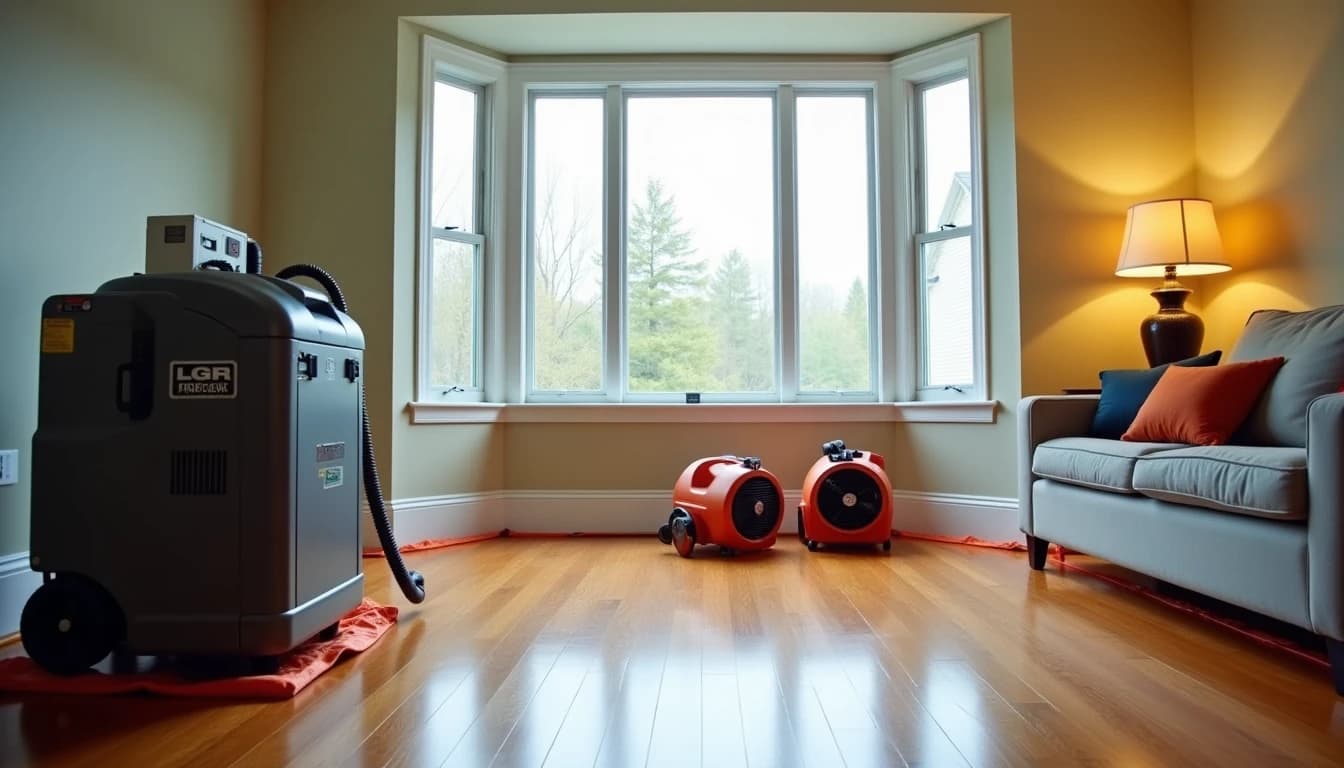
What to Do in the First 30 Minutes After Water Damage
LocalFlow Restoration of New England
Why the first 30 minutes matter
Water damage is not static. The moment water contacts building materials, a chemical and biological clock starts ticking. Wood begins absorbing moisture within minutes, and drywall — which is essentially compressed paper — can become structurally compromised in under an hour. What begins as a manageable cleanup can escalate into a mold remediation project if action is delayed.
Insurance adjusters and restoration contractors consistently identify the first 30 minutes as the most critical window. Decisions made in that window determine whether damage stays in the hundreds of dollars or climbs into the tens of thousands. This guide walks you through the professional response sequence, step by step.
Step 1 — Stop the water source
Before anything else, stop the inflow. If the source is a burst pipe, locate your main water shutoff valve and turn it clockwise until fully closed. Most homes have the shutoff near the water meter, in the basement, or in a utility closet. If you cannot find it or it is stuck, call your municipality's emergency water line — they can shut off water at the street.
If the source is an appliance (washing machine hose, dishwasher supply line, refrigerator ice maker), unplug the appliance and close the supply valve behind it. For roof leaks or foundation intrusion during active storms, you cannot stop the source — move immediately to protecting contents and documenting damage.
- Main shutoff valve: typically near water meter, in basement, or utility room
- Appliance valves are located on supply lines behind or beneath the unit
- If valve is seized, call the municipal emergency water line immediately
- For storm intrusion, skip to documentation and extraction steps
Step 2 — Electrical safety first
Water and electricity are a lethal combination. If standing water is present and you are unsure whether electrical circuits are energized, do not enter the affected area. Go to your breaker panel and cut power to the affected zones. If the panel is in the flooded area or you cannot safely reach it, call your utility company to disconnect power at the meter.
Once power is safely off, use a battery-powered flashlight — not a plug-in lamp — to navigate the space. Avoid using extension cords or power tools in wet areas until a licensed electrician confirms the space is safe. This step cannot be skipped or shortcuts taken.
- Cut breakers to all affected zones before entering standing water
- If the panel itself is flooded, call utility for meter disconnection
- Use battery flashlights only — no plug-in devices in wet areas
- Do not return power until a licensed electrician inspects wiring
Step 3 — Document everything before moving anything
Your insurance claim depends on thorough documentation. Before you move a single piece of furniture or pull up carpet, photograph and video every affected area. Capture water levels against walls, saturated flooring, damaged contents, and the source location. Take photos of ceiling stains looking upward, not just the floor.
Use your phone's timestamp feature or a date-stamped camera. Create a folder on cloud storage immediately so documentation is preserved even if your phone is damaged. Note the date and time in your first video. This footage is your primary evidence for the claim — insurers have denied claims where documentation was inadequate.
Step 4 — Call your restoration company and insurer
With the source stopped, the space safe, and damage documented, make two calls simultaneously if possible: your water damage restoration company and your insurance company. Most restoration companies offer 24/7 emergency response with arrival times under two hours for active damage events.
When you call the restorer, describe the source, approximate square footage affected, and whether there are any safety concerns. They will dispatch with extraction equipment and moisture meters. Your insurer will open a claim number and may send an adjuster, but do not wait for the adjuster before beginning extraction — delays worsen damage and insurers recognize this.
Step 5 — Begin removing standing water if safe
If you have a wet-dry vacuum or sump pump, begin removing standing water from hard floors while waiting for the restoration team. Do not attempt extraction from carpeted areas unless you have truck-mounted equipment — consumer vacuums are inadequate and can spread contamination if the water source is sewage or gray water.
Move undamaged contents to dry areas. Lift furniture legs off wet carpet using aluminum foil or plastic wrap to prevent rust stains. Remove area rugs and hang them to dry. Open interior doors and run ceiling fans if electrical safety has been confirmed. Every gallon of water removed in this window reduces drying time and cost.
Frequently asked questions
Can I use a regular vacuum to remove water?
A standard vacuum will be damaged and is not designed for liquid extraction. Use a wet-dry shop vacuum rated for water removal, or wait for the restoration team's truck-mounted extractors, which can remove hundreds of gallons per hour.
Should I open windows during water damage?
It depends on the weather. If outdoor humidity is lower than indoor humidity (common in summer), opening windows helps. In humid or cold conditions, keep windows closed and use dehumidifiers and fans instead to avoid introducing more moisture.
How long does water damage take to dry?
With professional equipment, most residential water damage dries in three to five days. Without professional drying, it can take weeks — long enough for mold to colonize thoroughly. The drying timeline depends on the water category, materials affected, and how quickly extraction begins.