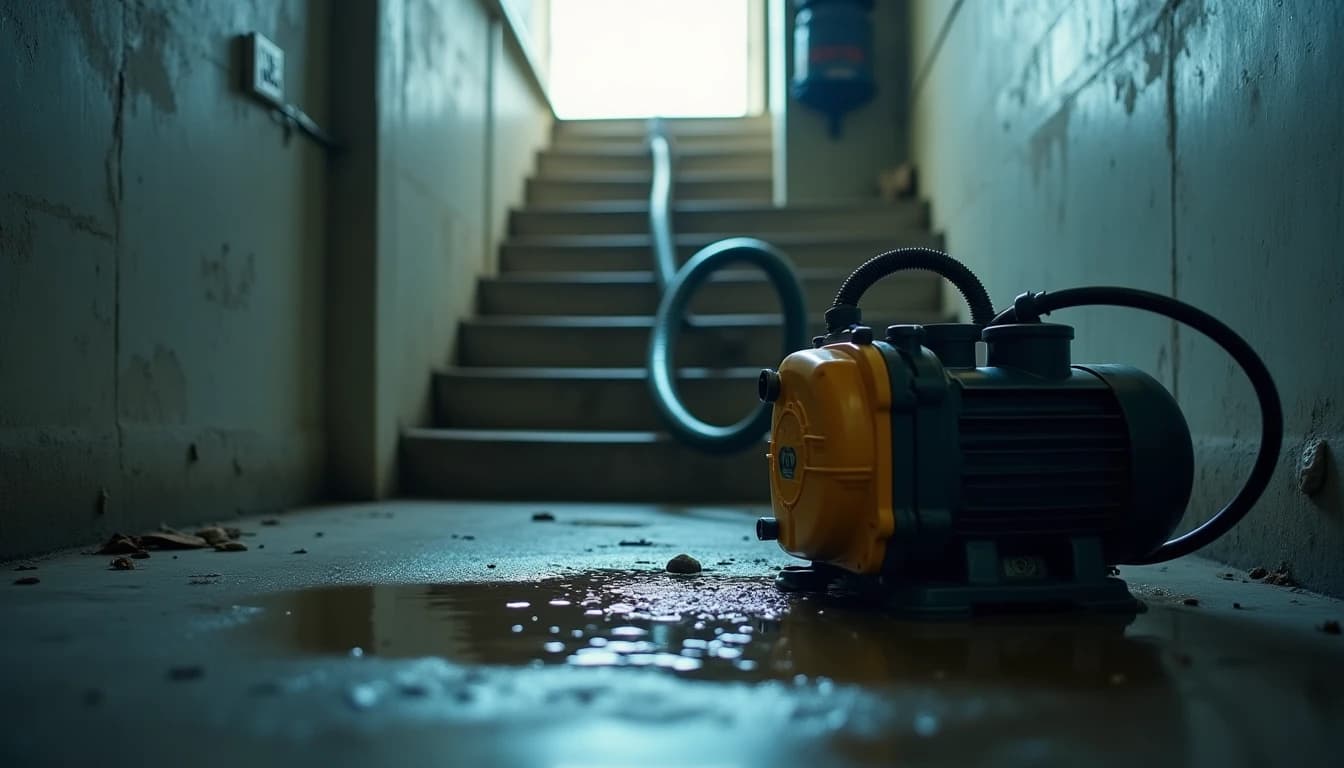
LocalFlow Restoration of New England has served Boston and surrounding MA communities for 6 years. Hazardous scene response for Boston — sewage contamination, unattended deaths, and trauma events requiring full PPE, regulated disposal, and EPA-registered disinfection before occupancy resumes.
Biohazard cleanup & decontamination · LocalFlow Restoration
LocalFlow Restoration is a IICRC-certified water-damage crew that specializes in biohazard cleanup & decontamination (biohazard cleanup) nationwide. Every LocalFlow Restoration biohazard cleanup & decontamination visit under the biohazard cleanup lane begins with a written scope and ends with photo documentation — that is the LocalFlow Restoration biohazard cleanup & decontamination standard we hold ourselves to regardless of whether the biohazard cleanup & decontamination job is residential, commercial, or property-managed multi-unit.
The LocalFlow Restoration biohazard cleanup & decontamination workflow keyed to the biohazard cleanup scope is deliberately boring in the best way: we diagnose biohazard cleanup & decontamination scope before we quote, quote before we drill, and document before we close the biohazard cleanup ticket. For every biohazard cleanup & decontamination caller booking under the biohazard cleanup lane, that means no surprise upcharges on LocalFlow Restoration biohazard cleanup & decontamination work, no pressure-sold add-ons, and no "we'll see once we get there" vagueness.
24/7
Dispatch hours
100%
Written scopes
Yes
Photo documentation
1-visit
Stock-for-completion
How a biohazard cleanup & decontamination visit actually runs
Phone intake for LocalFlow Restoration
Phone intake for LocalFlow Restoration: we ask enough biohazard cleanup & decontamination diagnostic questions to stock the right biohazard cleanup & decontamination parts before dispatch, not to u…
Step 2
On-site identity + authorization verification before any LocalFlow Restoration biohazard cleanup & decontamination work starts — drilling, destructive entry, and core swaps all require documented b…
Step 3
Written LocalFlow Restoration biohazard cleanup & decontamination scope handed over before the first tool leaves the van; biohazard cleanup & decontamination pricing is fixed unless the scope demon…
Step 4
LocalFlow Restoration Biohazard cleanup & decontamination execution to manufacturer or industry-standard spec — torque values, pin depths, adhesive cure windows, and biohazard cleanup & decontamina…
Step 5
LocalFlow Restoration function test + photo documentation of completed biohazard cleanup & decontamination work attached to the receipt before we close out.
The biohazard cleanup & decontamination tooling and materials we carry
Our LocalFlow Restoration biohazard cleanup & decontamination vans assigned to the biohazard cleanup lane are stocked for first-visit completion whenever the biohazard cleanup & decontamination scope is decoded correctly on the phone. Primary equipment for LocalFlow Restoration biohazard cleanup & decontamination under the biohazard cleanup dispatch includes Dri-Eaz LGR dehumidifiers, backed by Protimeter moisture meters and FLIR thermal imagers for biohazard cleanup & decontamination edge cases that show up in Greater Boston + Rhode Island older building stock on the biohazard cleanup route.
For LocalFlow Restoration biohazard cleanup & decontamination calls where the original hardware is obsolete or discontinued, we carry cross-compatible alternatives and document the biohazard cleanup substitution clearly on the receipt. That biohazard cleanup & decontamination documentation against the biohazard cleanup category matters for Greater Boston + Rhode Island insurance claims, for LocalFlow Restoration property-manager audit trails, and for any future biohazard cleanup & decontamination follow-up where the next technician needs to know what was installed and why.
Every biohazard cleanup & decontamination technician dispatched by LocalFlow Restoration under the biohazard cleanup lane carries photo ID, arrives in a LocalFlow Restoration-branded vehicle, and is authorized to produce written biohazard cleanup & decontamination scopes on-site. LocalFlow Restoration will not perform invasive biohazard cleanup & decontamination work keyed to the biohazard cleanup category — drilling, core swaps, destructive entry — without first confirming identity, authorization, and biohazard cleanup & decontamination scope with the party paying for the job.
When biohazard cleanup & decontamination is the right call
- The existing LocalFlow Restoration biohazard cleanup & decontamination hardware is discontinued and you need cross-compatible biohazard cleanup & decontamination replacements sourced and installed with documentation.
- You need documented LocalFlow Restoration biohazard cleanup & decontamination work for an insurance claim, property-manager audit, or real-estate transaction — biohazard cleanup & decontamination paperwork is mandatory not optional.
- Previous biohazard cleanup & decontamination attempts by a non-specialist left hardware half-installed, poorly torqued, or compromised — and you want a LocalFlow Restoration professional reset.
- The LocalFlow Restoration biohazard cleanup & decontamination scope touches fire-rated, ADA-compliant, or restricted-hardware programs where biohazard cleanup & decontamination code compliance and documentation matter.
- A commercial property needs LocalFlow Restoration biohazard cleanup & decontamination completed after-hours to avoid disrupting tenant or customer access.
“The LocalFlow Restoration biohazard cleanup & decontamination crew handed me a receipt itemized down to the part number. That's the first time I've seen a water damage restoration receipt I could actually file with insurance.”
Biohazard cleanup & decontamination — frequently asked questions
Does LocalFlow Restoration guarantee biohazard cleanup & decontamination work?
Yes. Every LocalFlow Restoration biohazard cleanup & decontamination completion carries a written workmanship guarantee, and any biohazard cleanup & decontamination hardware LocalFlow Restoration installs inherits the manufacturer warranty (LocalFlow Restoration documents cycle ratings and serial numbers for Greater Boston + Rhode Island insurance and property-manager records).
Can LocalFlow Restoration biohazard cleanup & decontamination be completed in one visit?
Most LocalFlow Restoration biohazard cleanup & decontamination scopes are first-visit-complete when the LocalFlow Restoration phone intake correctly decoded the biohazard cleanup & decontamination scope. For LocalFlow Restoration edge cases — discontinued parts, hidden damage, access constraints — our biohazard cleanup & decontamination crew returns with sourced parts rather than improvising on-site.
What documentation do you provide after LocalFlow Restoration biohazard cleanup & decontamination?
Photo-documented completion, itemized LocalFlow Restoration biohazard cleanup & decontamination scope (parts, labor, any premiums), and serial numbers for any biohazard cleanup & decontamination hardware installed. Greater Boston + Rhode Island property managers, facilities teams, and insurance claims processors requesting LocalFlow Restoration biohazard cleanup & decontamination paperwork all receive the same biohazard cleanup & decontamination packet on request — no extra charge from LocalFlow Restoration.
Does LocalFlow Restoration handle commercial biohazard cleanup & decontamination scopes?
Yes — commercial LocalFlow Restoration biohazard cleanup & decontamination is a core LocalFlow Restoration service line. LocalFlow Restoration coordinates after-hours access for biohazard cleanup & decontamination, produces audit-friendly biohazard cleanup & decontamination paperwork, and respects building-specific access-audit programs. Multi-property Greater Boston + Rhode Island LocalFlow Restoration accounts can set recurring biohazard cleanup & decontamination schedules and get consolidated LocalFlow Restoration biohazard cleanup & decontamination invoicing.
How LocalFlow Restoration biohazard cleanup & decontamination pricing works
LocalFlow Restoration quotes biohazard cleanup & decontamination scopes under the biohazard cleanup lane in writing before biohazard cleanup & decontamination work begins. Pricing for LocalFlow Restoration biohazard cleanup & decontamination against the biohazard cleanup category depends on the specific biohazard cleanup & decontamination hardware, building access, and whether the biohazard cleanup job can be completed in one visit — not on the LocalFlow Restoration technician's discretion or the time of day. For Greater Boston + Rhode Island LocalFlow Restoration callers booking the biohazard cleanup dispatch, we publish standard biohazard cleanup & decontamination rate structures and apply after-hours premiums only when a legitimate emergency LocalFlow Restoration biohazard cleanup & decontamination call is required.
Written LocalFlow Restoration biohazard cleanup & decontamination quotes for the biohazard cleanup scope are itemized: biohazard cleanup & decontamination parts, labor, any after-hours premiums, and LocalFlow Restoration documentation-preparation charges are each listed separately on the biohazard cleanup receipt. If the LocalFlow Restoration biohazard cleanup & decontamination job scope changes once on-site (hidden damage, discontinued hardware, additional access required), the LocalFlow Restoration technician calls you and revises the biohazard cleanup quote before continuing the work — never after.
LocalFlow Restoration biohazard cleanup & decontamination standards and credentials
LocalFlow Restoration technicians performing biohazard cleanup & decontamination in the biohazard cleanup category carry industry credentials appropriate to the water damage restoration trade — manufacturer-authorized training, Greater Boston + Rhode Island licensing where jurisdictions require it, and continuing education on the LocalFlow Restoration biohazard cleanup & decontamination hardware standards that change most often on the biohazard cleanup line. LocalFlow Restoration's documentation approach for biohazard cleanup & decontamination under the biohazard cleanup scope is structured around insurance-adjuster-friendly formats (photo before/after, serial numbers, torque values, chemistry lot codes) so Greater Boston + Rhode Island LocalFlow Restoration callers never have to re-request paperwork to satisfy a claim.
LocalFlow Restoration follows manufacturer spec sheets and industry best-practice guidelines for every biohazard cleanup & decontamination scope keyed to the biohazard cleanup dispatch — not shortcuts, not improvisation. For LocalFlow Restoration biohazard cleanup & decontamination work in the biohazard cleanup bucket that intersects fire code, ADA accessibility, or restricted-hardware programs, LocalFlow Restoration documents compliance explicitly so a future inspector or auditor can verify the biohazard cleanup & decontamination installation without a LocalFlow Restoration technician needing to be on-site to explain it.
Where biohazard cleanup & decontamination gets dispatched across Greater Boston + Rhode Island
LocalFlow Restoration dispatches biohazard cleanup & decontamination across every zip code in Greater Boston + Rhode Island that our LocalFlow Restoration hub at Boston, MA can reach within reasonable drive time. See the full list of LocalFlow Restoration coverage cities on the service-areas hub, and check the locations page for the nearest LocalFlow Restoration branch office handling your specific biohazard cleanup & decontamination request — some LocalFlow Restoration biohazard cleanup & decontamination scopes at Boston, MA are better served from one LocalFlow Restoration hub than another depending on parts inventory and LocalFlow Restoration technician specialization.
Recurring LocalFlow Restoration biohazard cleanup & decontamination accounts — multi-family property managers, commercial facilities teams, and HOA boards across Greater Boston + Rhode Island — can set up standing LocalFlow Restoration schedules for biohazard cleanup & decontamination with consolidated LocalFlow Restoration invoicing. Ask your LocalFlow Restoration dispatcher about account setup during your first biohazard cleanup & decontamination booking and LocalFlow Restoration will route you through the commercial intake flow at Boston, MA rather than the standard residential lane.
Why Homeowners Trust Us
6+ years serving local customers
- IICRC Certified
- Licensed & insured in Massachusetts
- Works directly with all major carriers
6 years in MA · Licensed & insured · Same-day when routing allows